Starlink Is Building a Ground Network. Who Will Pay for It?
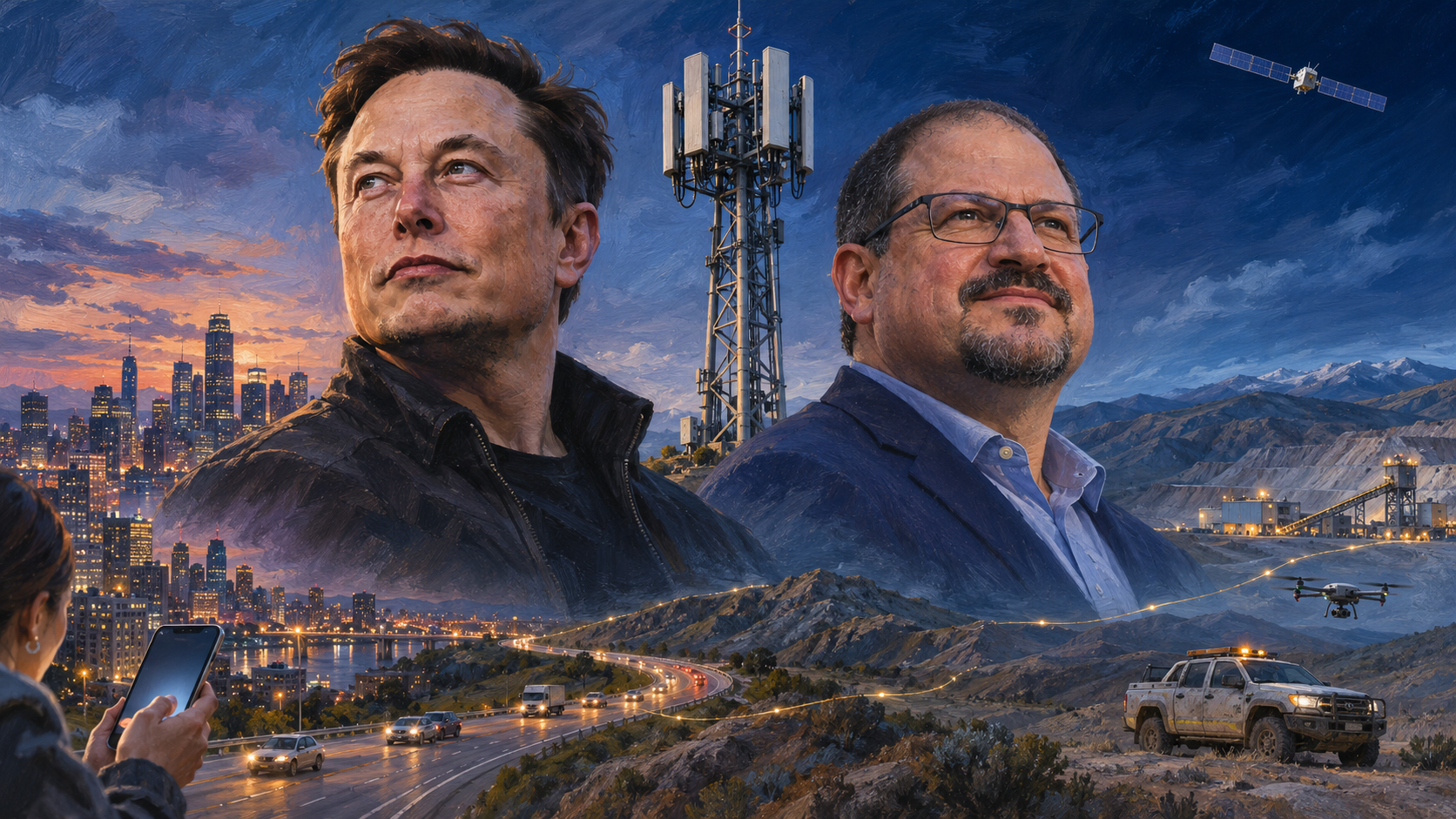
SpaceX has picked Qualcomm for a nationwide US 5G buildout. The deal gives Starlink a way to carry everyday mobile traffic on its own network. The business case depends on who pays for that capacity and what they value about having satellite coverage alongside it.
SpaceX already helps T-Mobile reach phones beyond the coverage of its towers. Now it plans to put its own radios on tens of thousands of US cell sites. The multiyear rollout is scheduled to begin in 2027 under an agreement that Qualcomm calls its biggest 5G deal to date. SpaceX is using Qualcomm’s chips and software to develop its own base-station design, taking on work that operators typically source from equipment vendors such as Ericsson and Nokia.
The combination changes the commercial question. A mobile operator can buy satellite coverage for the gaps in its network. A customer who switches to Starlink Mobile would also depend on it for calls, data and service in the places they spend most of their time. Six questions separate the equipment announcement from a business that can pay for the buildout.
🟥 What does SpaceX gain by operating its own ground network?
It gains control over where to add capacity and how to combine ground and satellite coverage. Towers can serve concentrations of users in cities and along busy corridors. Satellites can extend the service where towers are sparse. A customer can benefit from both if the device can move between the two reliably and the service is clear about what works on each connection.
An owned network also changes SpaceX’s relationship with carriers. It can continue selling satellite coverage to operators while competing for some of the same mobile customers. Where its own coverage is still thin, wholesale access to another operator’s network could help it launch a more useful service.
🟥 Who builds and maintains the radios?
Qualcomm is supplying the Dragonwing QRU100 for Massive MIMO radio processing and the QDU100 for the base station’s distributed unit, along with Layer 1 signal-processing software. The radio design uses 64 transmit and 64 receive paths to direct signals and use spectrum more efficiently. SpaceX is developing the broader base-station architecture. The announcement leaves open who will assemble and test the complete radios and support them in the field.
That division of work matters to the equipment industry. If SpaceX can bring together chips, software and contract manufacturing at a competitive cost, it can take on more of the work that operators typically buy from established equipment vendors. It also takes on the job of making those pieces work together across thousands of sites, including when equipment fails or software needs updating.
🟥 Can Starlink turn tower access into usable capacity?
Bloomberg reported that SpaceX was discussing access to at least 80,000 US cell sites. Qualcomm’s announcement describes a multiyear rollout across tens of thousands of sites. The first figure describes the scale of reported talks with tower companies. The second describes the rollout Qualcomm expects to support.
A lease gives SpaceX somewhere to install a radio. Each site still needs power and backhaul, the link that carries traffic from the tower to the rest of the network. Fiber is a natural choice for busy sites. High-capacity microwave can serve locations where fiber is hard to reach. Carrying routine traffic from busy urban towers over Starlink satellites would draw on capacity that could serve users beyond the ground network. Where SpaceX leases fiber capacity, the bill becomes a recurring cost of operating the site.
Spectrum runs on a separate timetable. The FCC approved the EchoStar transaction in May, and the licenses moved into a trust that month. EchoStar’s August filing targets November 30, 2027 for final closing, subject to conditions, and provides for an earlier closing at additional cost to SpaceX. Qualcomm gave a 2027 start for deployment. Which frequencies will be available for commercial service when the first sites are ready?
🟥 Who brings the first paying customers?
The Washington Post reported that SpaceX had discussed buying Boost Mobile or gaining access to the networks Boost uses. Those routes would solve different problems. A purchase could bring subscribers, billing and distribution. A network-access agreement could help Starlink offer coverage before its own sites are ready. Boost relies on wholesale arrangements with AT&T and T-Mobile, and transferring those arrangements could require their consent.
Satellite coverage could give consumers a reason to try Starlink. Keeping them would depend on the price and the quality of service where they use their phones every day.
🟥 Which machines would pay for better coverage?
Analyst Joe Madden and telecom commentator Sebastian Barros see a possible market in physical AI. Consider a fleet operating across remote industrial sites. If losing connectivity forces an operator to suspend work or send someone into the field, a backup link has a measurable value. The same logic could apply to inspection drones, field equipment or vehicles on routes with patchy coverage.
The use case matters more than the machine count. A fleet that needs occasional location updates buys a different service from one that needs live video for remote supervision. For the second fleet, the buyer will want to know how long a connection can drop, what capacity remains on satellite and how the equipment behaves during a handoff. Those are the terms on which a promising use case becomes a contract.
Tesla’s Robotaxi fleet is a possible early customer for services such as telemetry or fleet monitoring. Tesla has disclosed that a board committee is exploring closer ties with SpaceX. A fleet-connectivity contract remains a scenario. Even if Tesla signed one, the wider market test would be whether independent fleet operators buy comparable service.
🟥 What pays for the network while demand develops?
Madden estimates the combined satellite and ground network could cost at least $100 billion, including spectrum. That is an outside estimate. Qualcomm and SpaceX have kept the financial terms of their supply agreement private. The investment question is how quickly revenue arrives against expenses such as site leases, equipment, power and ongoing operations.
Consumer plans could bring recurring revenue as the ground network expands. Wholesale agreements could bring traffic without SpaceX having to acquire every subscriber itself. Industrial contracts could pay for specific coverage and service guarantees. The economics will depend on where those customers need service and whether their combined demand can support the next wave of sites.
THE SIGNAL
The Qualcomm agreement makes Starlink’s ground network more concrete. The next commercial milestone is a customer who chooses the service because it combines ground capacity with satellite reach, and whose contract shows what that combination is worth.
That test will repeat market by market. Can revenue from subscribers, wholesale partners and fleet operators cover the cost of running the sites Starlink needs and justify building the next ones?
Credit
Illustration by Altair Media / AI-generated
Caption
Elon Musk and Qualcomm CEO Cristiano Amon flank a 5G tower in an illustration of Starlink Mobile’s planned network. A smartphone in the city and an inspection drone at a remote industrial site show two kinds of demand the network could serve.
