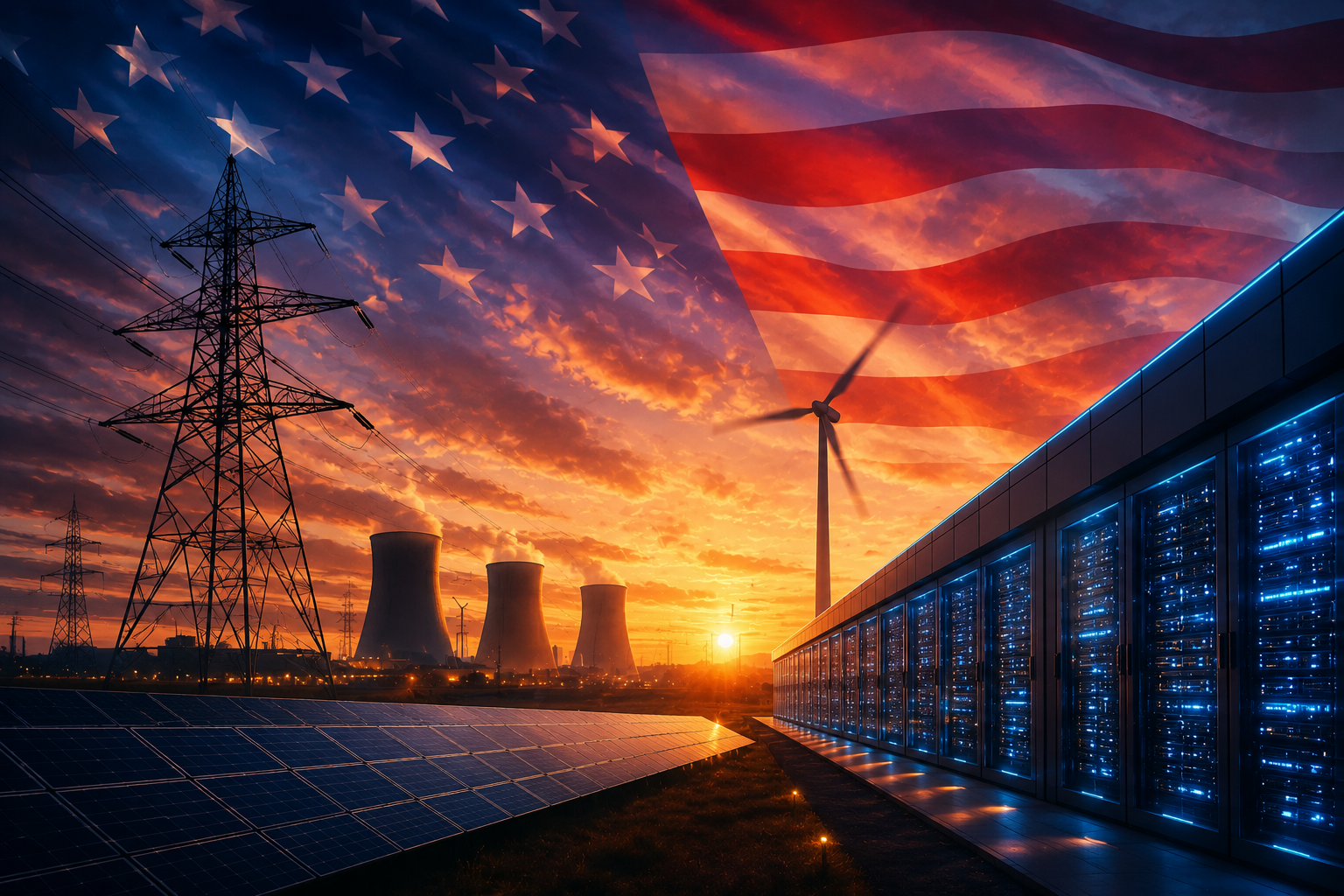
Artificial intelligence is often described as a software revolution. Yet behind every AI model lies a growing demand for electricity. As data centres expand and computing capacity increases, energy is emerging as one of the most important foundations of the digital economy. The future of AI may depend not only on algorithms, but also on the systems that generate and deliver power.
Energy
Energy systems and technological transitions shaping industrial capacity, economic growth and long-term strategic resilience.

Europe’s new technology strategy is not about decoupling from the United States. It is about becoming indispensable within the infrastructures, supply chains and innovation ecosystems that underpin the digital economy, reshaping the future of transatlantic technological cooperation and resilience.

Artificial intelligence may appear weightless and digital, but robotics ultimately depends on energy, materials and physics. This article explores how batteries, compute efficiency, photonics and infrastructure could determine the future limits of autonomous machines.

Artificial intelligence is no longer scaling like software. As compute demand explodes, the real bottleneck is shifting toward electricity, grids, and physical infrastructure. The AI economy is becoming increasingly industrial — governed not only by algorithms, but by energy availability itself.
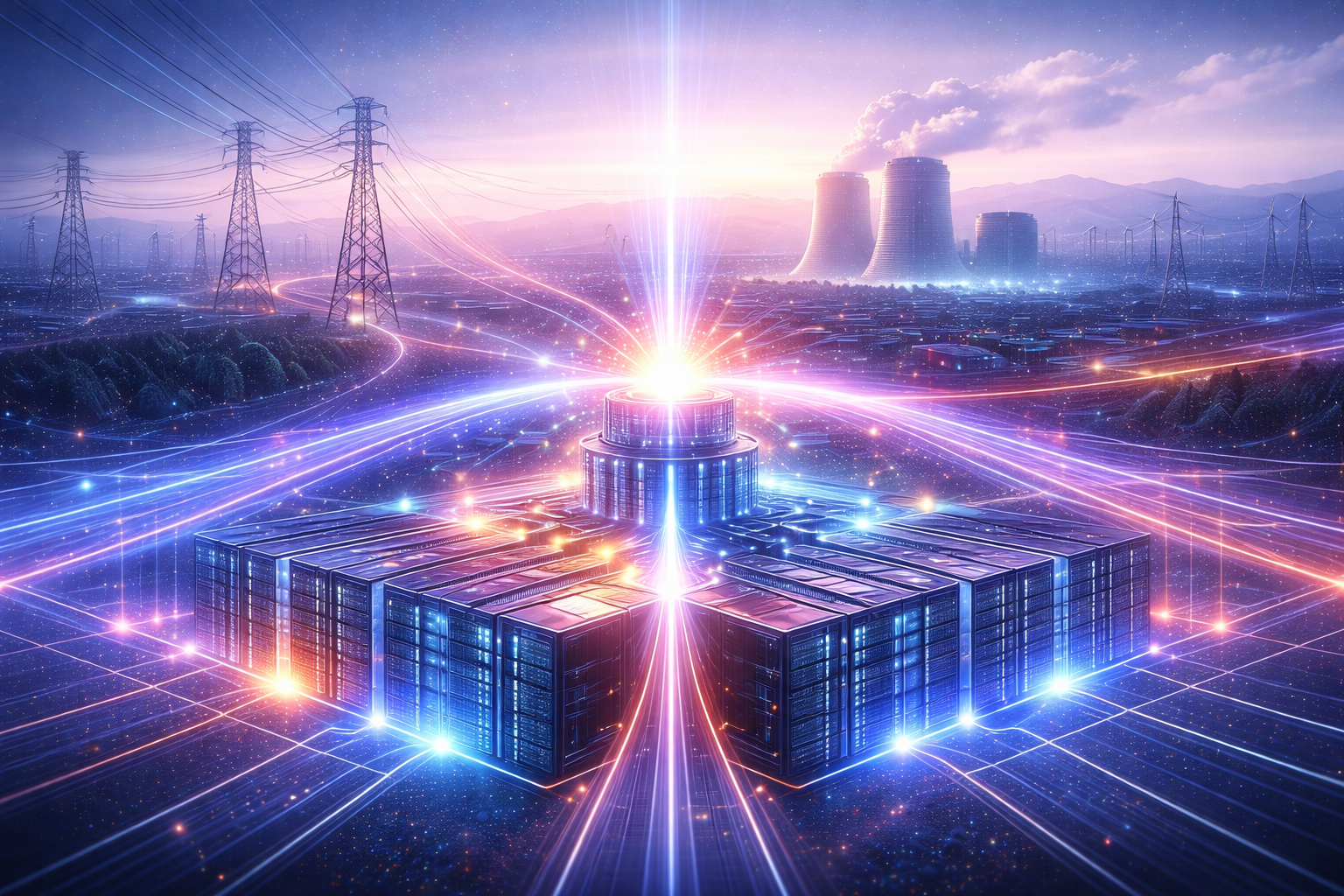
Artificial intelligence is scaling rapidly, but the next bottleneck may not be chips or networks. As hyperscale data centers expand, electricity supply, grid capacity and energy infrastructure are emerging as critical factors in the global race to power the AI era.

Artificial intelligence is no longer a weightless software story. As capital markets confront energy constraints, grid bottlenecks and front-loaded infrastructure costs, AI is being repriced as heavy industry — where scarcity, not scalability, determines power and valuation.
