
As digital and AI-generated representations become almost limitless, physical objects may acquire new meaning. Through the work of Denise Buisman Pilger, The Return of Material Culture explores materiality, provenance and the growing value of things that actually exist.
Social Change
Evolving values and societal patterns shaping behaviour, identity and the broader direction of social transformation.

From the bark of the paper mulberry tree to contemporary abstract art, Kozo tells a story of patience, transformation and material intelligence. Through the work of Denise Buisman Pilger, this centuries-old Japanese fibre reveals a different philosophy of creativity in the age of artificial intelligence.

For more than thirteen centuries, Washi has embodied patience, craftsmanship and material intelligence. Through the work of Denise Buisman Pilger, this remarkable Japanese paper reveals why creativity begins not with a blank surface, but with a material that already carries its own story.

Private foundations have shaped American society for more than a century. This series explores how philanthropy evolved from individual generosity into an enduring institutional force influencing education, science, healthcare, culture and democratic life across the United States.
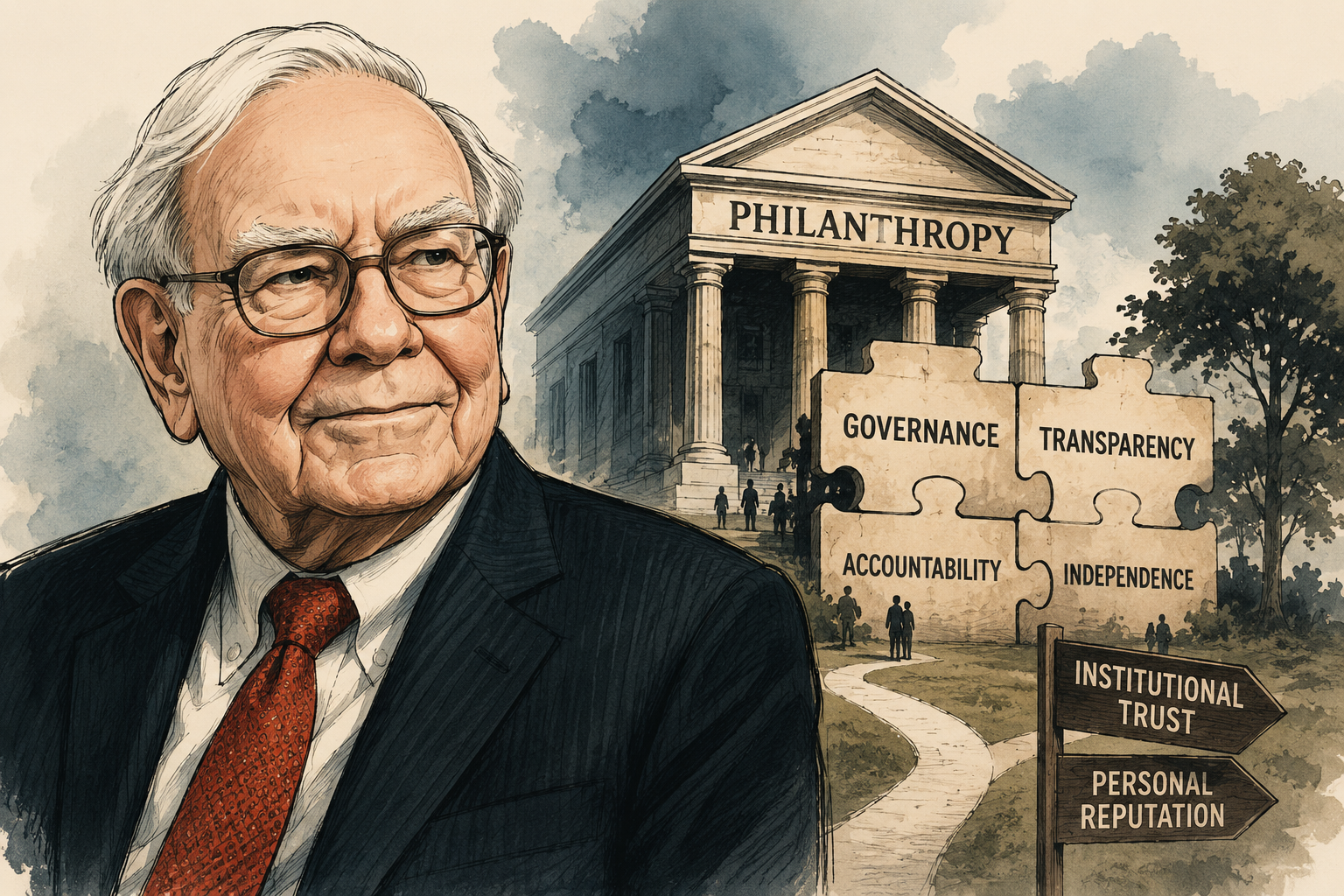
Warren Buffett’s decision to redirect billions away from the Gates Foundation is about more than philanthropy. It raises a broader ethical question: can institutions built on extraordinary private wealth sustain public trust independently of the individuals who created them?

Dutch artist Denise Buisman Pilger’s selection for a solo exhibition at Canada’s World of Threads Festival highlights more than an individual achievement. It reflects a broader cultural shift, where craftsmanship, materiality and human creativity are gaining renewed significance in the age of artificial intelligence.
As digital and AI-generated representations become almost limitless, physical objects may acquire new meaning. Through the work of Denise Buisman Pilger, The Return of Material Culture explores materiality, provenance and the growing value of things that actually exist.
From the bark of the paper mulberry tree to contemporary abstract art, Kozo tells a story of patience, transformation and material intelligence. Through the work of Denise Buisman Pilger, this centuries-old Japanese fibre reveals a different philosophy of creativity in the age of artificial intelligence.
For more than thirteen centuries, Washi has embodied patience, craftsmanship and material intelligence. Through the work of Denise Buisman Pilger, this remarkable Japanese paper reveals why creativity begins not with a blank surface, but with a material that already carries its own story.
Private foundations have shaped American society for more than a century. This series explores how philanthropy evolved from individual generosity into an enduring institutional force influencing education, science, healthcare, culture and democratic life across the United States.
Warren Buffett’s decision to redirect billions away from the Gates Foundation is about more than philanthropy. It raises a broader ethical question: can institutions built on extraordinary private wealth sustain public trust independently of the individuals who created them?
Dutch artist Denise Buisman Pilger’s selection for a solo exhibition at Canada’s World of Threads Festival highlights more than an individual achievement. It reflects a broader cultural shift, where craftsmanship, materiality and human creativity are gaining renewed significance in the age of artificial intelligence.

Modern finance is becoming faster, more automated and increasingly invisible. As digital systems replace human interactions, new questions emerge about financial stress, digital exclusion, trust and the ability of both younger and older generations to navigate an increasingly complex financial world.

America’s economy has never been larger or more financially sophisticated. Yet for many citizens, markets, debt and asset prices increasingly feel disconnected from everyday experience. This article explores how financial abstraction is reshaping the relationship between economic indicators and lived reality.

Digital payments, subscriptions and embedded finance have made spending faster and increasingly invisible. As friction disappears from modern finance, societies may also be losing emotional awareness around value, debt and consumption — especially inside digital environments designed to bypass hesitation itself.

As robots become more capable, the most important questions may no longer be technological. This article explores how societies can balance automation, human responsibility and meaning in a future increasingly shaped by intelligent machines and autonomous systems.

Why do humans keep building machines in their own image? This article explores the cultural and psychological fascination with humanoid AI, the difference between simulation and experience, and why machine intelligence may become complementary rather than human-like.

Algorithms are no longer tools but an invisible layer shaping what people see, choose, and value. As systems move from response to prediction, they redefine markets, behavior and decision-making — quietly structuring the conditions under which society operates.
