
A toddler sees a giraffe once. The next day, walking through a museum, the same child looks at a skeleton and immediately recognizes the animal again. No manual. No training cycle. No second explanation required.
Humanity
Understanding the human, cultural and ethical dimensions of progress.

Markets are no longer content with comforting metaphors. In 2026, complexity has outgrown the simplicity of storytelling. Investors still crave clarity, but the source of trust has shifted from narrative to system. The recent formal ascension of Greg Abel to CEO of Berkshire Hathaway is not a disruption of strategy, nor a break with tradition. It is the logical evolution of a company built for the long term — a company where the message remains the same, but the language must adapt.

While artificial intelligence floods digital platforms with protest imagery, Banksy remains one of the few global figures whose dissent still requires presence, timing and personal risk. That contrast is no longer artistic. It is structural. Across digital platforms, dissent has become abundant. Generative AI systems now produce protest visuals, slogans and narratives at scale. What appears confrontational is often frictionless. The image circulates; the system remains untouched. This is not a cultural shift. It is a structural one.

For decades, the US telecom market was dominated by scale, spectrum and consumer loyalty. Today, it is being reshaped by artificial intelligence, network autonomy and radically different interpretations of what a telecom operator should be. AT&T, T-Mobile US and Verizon—the three giants—are each navigating this transformation in distinct ways, offering a glimpse into how AI is changing the infrastructure of the digital economy.

In 2026, the world is awash in AI: algorithms write music, design clothes and even craft marketing campaigns. Yet alongside the hype, a subtle cultural pushback is emerging. Americans are experiencing “AI-Allergy”: fatigue from constant automation and digital perfection. From viral memes mocking “soulless AI art” to surveys indicating 62% of Americans feel overwhelmed by AI in daily life, there’s a growing appetite for human touch, imperfection and authenticity.
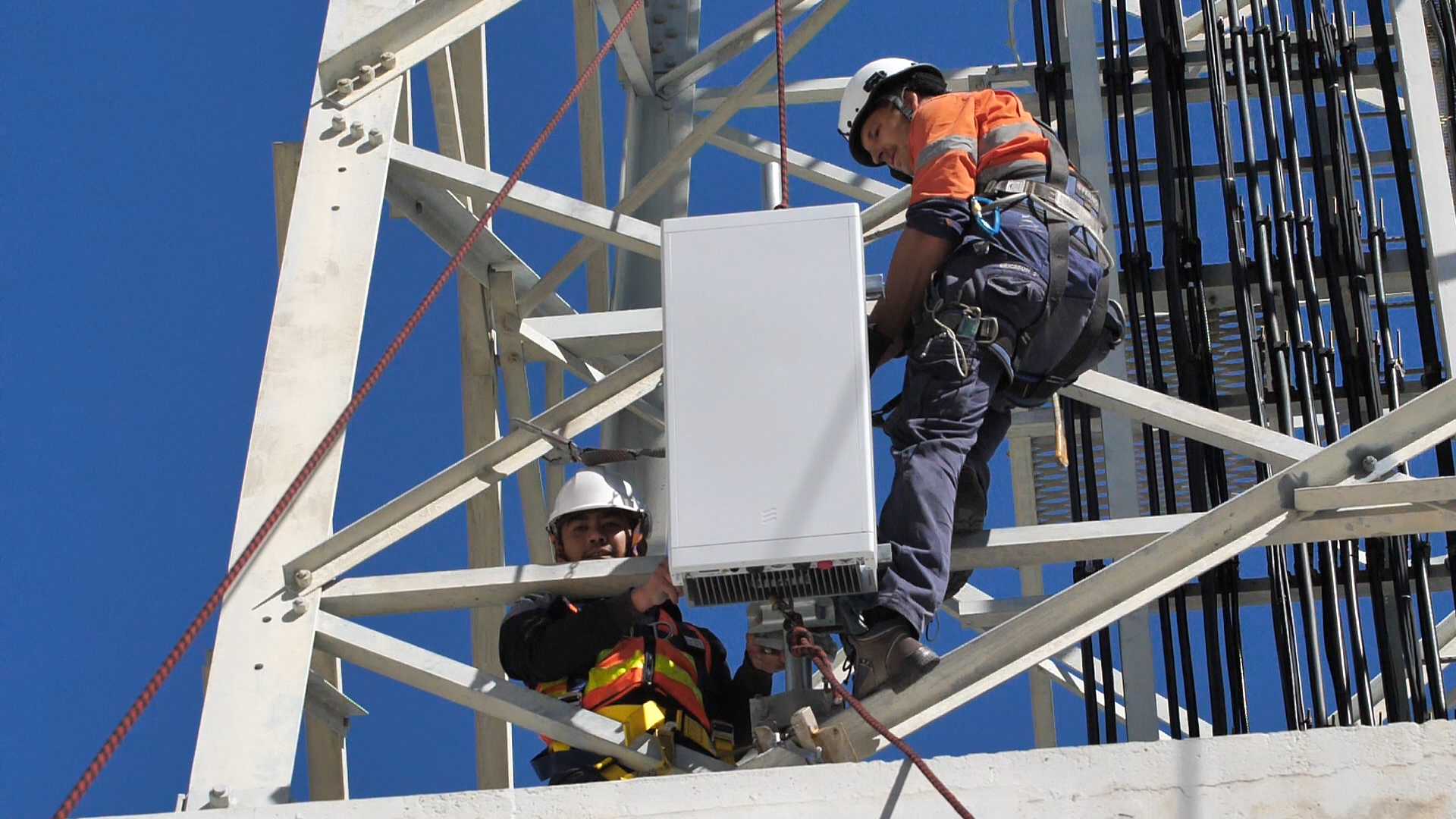
For years, the story of next-generation connectivity in the United States was told in familiar terms: coverage maps, speed tests and competitive claims about who built the fastest network. That narrative is now giving way to something far more consequential. Beneath the surface, America’s digital infrastructure is being rebuilt to support an AI-driven economy — and the transformation is less about raw speed than about intelligence, reliability and responsibility.
