
In global discussions about semiconductors, the focus tends to drift toward factories, supply chains and geopolitical leverage. Attention goes to where chips are manufactured, who controls production capacity and how nations secure access to critical technologies. Yet these debates often overlook a more fundamental question: where do future chip technologies actually originate?
Latest Articles
Independent reporting and analysis on how markets, technology and economic developments evolve across the United States and the global economy.

For decades, the US telecom market was dominated by scale, spectrum and consumer loyalty. Today, it is being reshaped by artificial intelligence, network autonomy and radically different interpretations of what a telecom operator should be. AT&T, T-Mobile US and Verizon—the three giants—are each navigating this transformation in distinct ways, offering a glimpse into how AI is changing the infrastructure of the digital economy.

In 2026, the world is awash in AI: algorithms write music, design clothes and even craft marketing campaigns. Yet alongside the hype, a subtle cultural pushback is emerging. Americans are experiencing “AI-Allergy”: fatigue from constant automation and digital perfection. From viral memes mocking “soulless AI art” to surveys indicating 62% of Americans feel overwhelmed by AI in daily life, there’s a growing appetite for human touch, imperfection and authenticity.
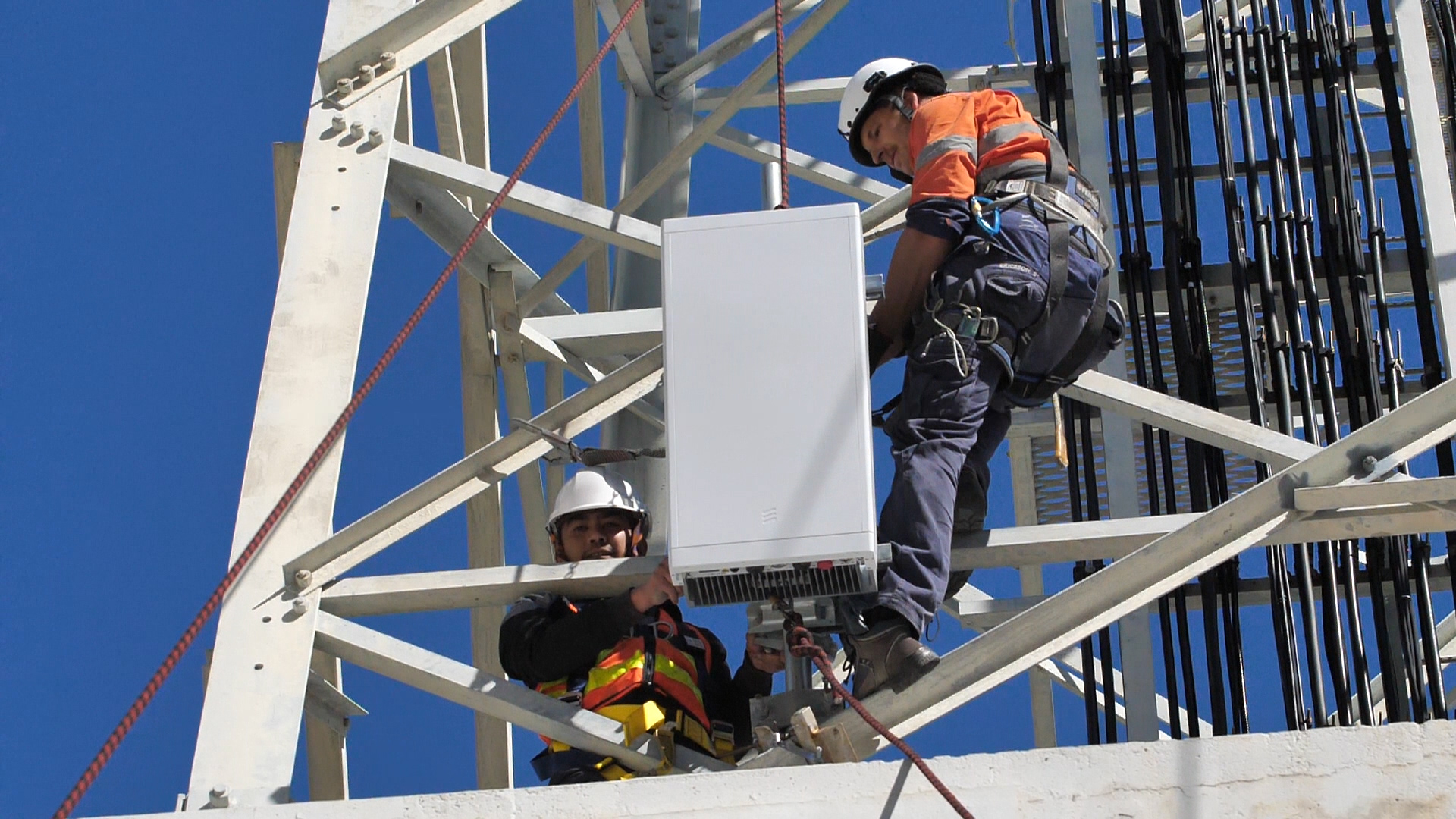
For years, the story of next-generation connectivity in the United States was told in familiar terms: coverage maps, speed tests and competitive claims about who built the fastest network. That narrative is now giving way to something far more consequential. Beneath the surface, America’s digital infrastructure is being rebuilt to support an AI-driven economy — and the transformation is less about raw speed than about intelligence, reliability and responsibility.

In global debates about power, universities are often treated as cultural institutions or engines of innovation. In reality, America’s top universities function as something more consequential: strategic infrastructure. The shorthand HYPSM — Harvard, Yale, Princeton, Stanford and MIT — does not merely denote academic excellence. It maps how the United States reproduces leadership, controls knowledge production, and converts ideas into geopolitical leverage.

As the new working year begins, conversations across boardrooms and timelines will once again be dominated by artificial intelligence, automation and the next wave of digital disruption. These themes matter. Yet beneath the noise of software updates and AI agents, a far more physical reality is unfolding — one that may shape Europe’s future just as profoundly.
