
Europe’s semiconductor strategy is increasingly shifting from manufacturing scale toward strategic infrastructure. This illustration highlights the interconnected ecosystems — from lithography and materials to photonics, automotive systems and research — that together form Europe’s emerging technology stack.
Latest Articles
Independent reporting and analysis on how markets, technology and economic developments evolve across the United States and the global economy.

As artificial intelligence becomes increasingly powerful, robotics is exposing a deeper and more uncomfortable reality: intelligence may not simply be computation. The Limits of Machine Intelligence explores why machines still struggle with the physical world — and what this reveals about embodiment, energy, meaning and the future relationship between humans and technology.
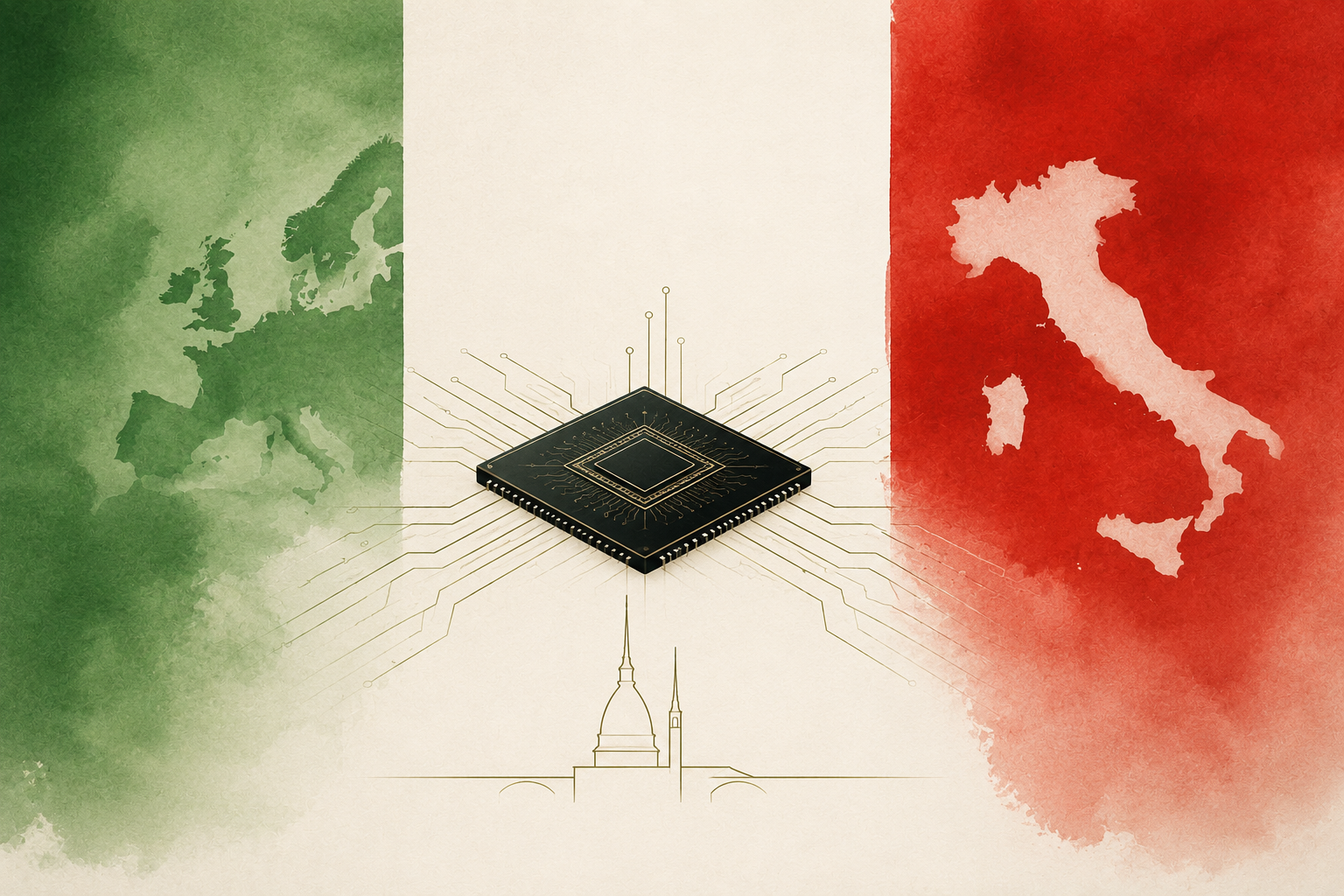
As Chips Act 2.0 begins to reshape Europe’s semiconductor ambitions, a broader strategic shift is emerging — one focused less on full technological autonomy and more on controlling the infrastructure layers underpinning the global AI economy.

Artificial intelligence is no longer scaling like software. As compute demand explodes, the real bottleneck is shifting toward electricity, grids, and physical infrastructure. The AI economy is becoming increasingly industrial — governed not only by algorithms, but by energy availability itself.

Artificial intelligence is evolving into a new infrastructure layer beneath the global economy. This article explores how compute, cloud systems, semiconductors and sovereign AI are reshaping geopolitical competition between the United States, China and the emerging autonomous world order.
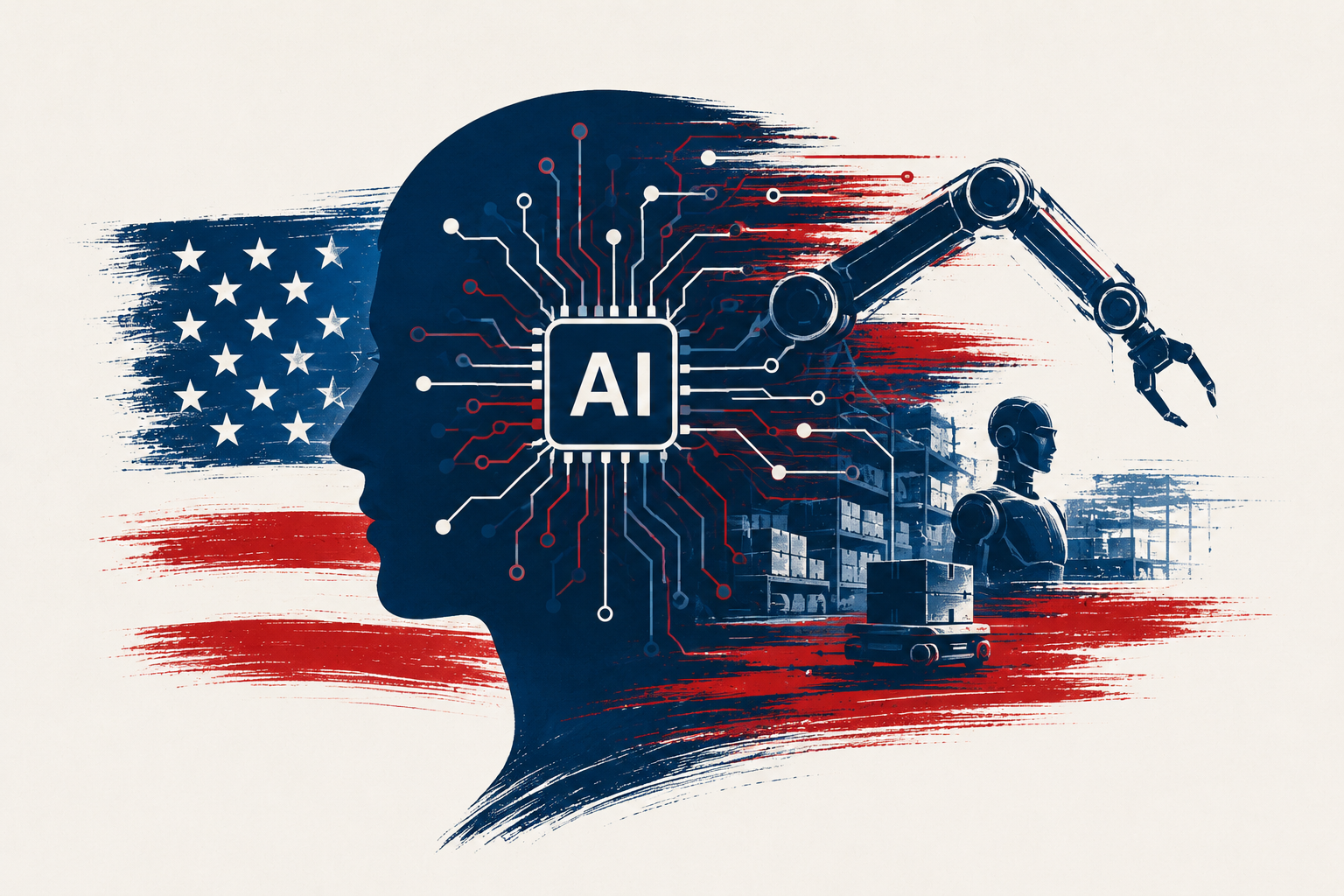
Artificial intelligence is beginning to move beyond screens and software into warehouses, robotics and industrial systems. This article explores how embodied AI could transform logistics, infrastructure, manufacturing and the future relationship between humans and machines.
