Tuesday, July 21, 2026

As hyperscale cloud infrastructure becomes part of the foundation of modern government, digital sovereignty is evolving into a global strategic challenge. Meridian Exchange 2026 explores how governance, resilience and trusted digital ecosystems may shape the next era of national infrastructure.
Read More
Friday, May 22, 2026

Artificial intelligence is evolving into a new infrastructure layer beneath the global economy. This article explores how compute, cloud systems, semiconductors and sovereign AI are reshaping geopolitical competition between the United States, China and the emerging autonomous world order.
Read More
Friday, May 22, 2026
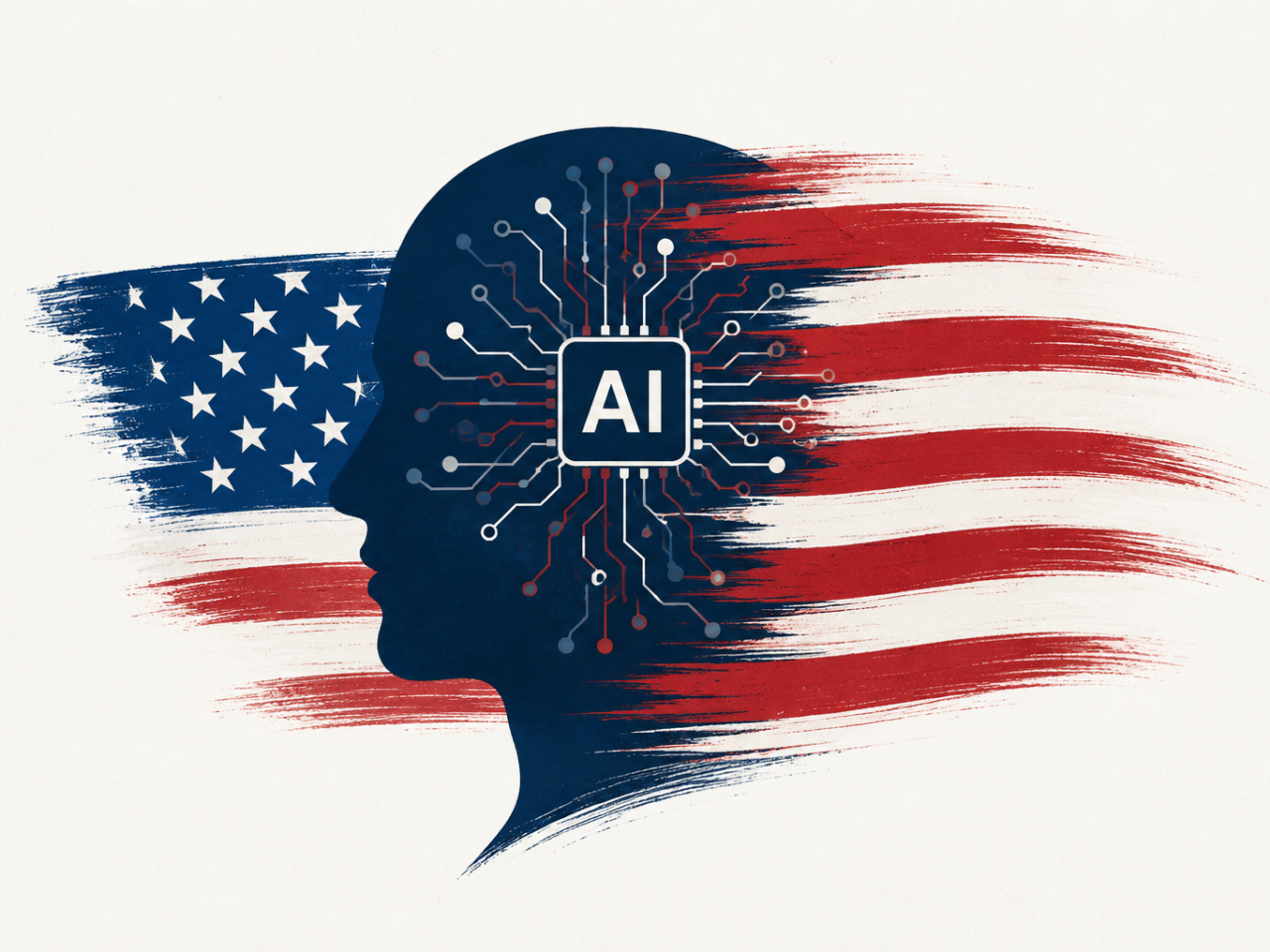
AI is moving beyond conversation toward autonomous action. This article explores how AI agents are transforming software into digital labor, reshaping workflows, human supervision and the emerging infrastructure layer of the modern economy.
Read More
Friday, May 22, 2026
AI agents are moving beyond chatbots into autonomous systems capable of planning, coordinating and acting across digital environments. This series explores how the autonomous layer could reshape work, infrastructure, governance and geopolitical power in the emerging AI economy.
Read More
Monday, March 2, 2026

As global powers compete for AI dominance through scale, smaller jurisdictions face a different challenge: governing digital dependency. Aruba may not control infrastructure, but it can shape oversight, accountability and strategic alignment in the AI era.
Read More
Saturday, February 21, 2026

Artificial intelligence is no longer just automating markets — it is imitating authority. As deepfakes replicate the voices that move capital, trust itself becomes fragile infrastructure. When verification lags behind reaction, financial stability may depend on engineering authenticity at scale.
Read More
Thursday, January 22, 2026

Over the past two decades, global financial markets have not become more chaotic — they have become more automated. Complexity did not disappear; it was outsourced. Faced with data volumes no human institution could reasonably process, investors made a rational decision: delegate interpretation, monitoring and response to machines.
Read More
Monday, January 5, 2026

AI is everywhere. It writes, it predicts, it decides. But as the machines get smarter, one question keeps rising to the top: who is AI really for? The answer many in Silicon Valley now give is Human-Centered AI — AI that serves people, not the other way around. We analysed the people shaping this future: Sam Altman of OpenAI, Satya Nadella of Microsoft and Elon Musk of xAI/Tesla. They don’t always agree, but their messages overlap: AI should enhance human life, not replace it.
Read More
Wednesday, December 31, 2025

Artificial intelligence has moved beyond being just a technology; it is now a societal force shaping economies, security and daily life. In the United States, the governance of AI reflects the country’s dual priorities: fostering innovation while addressing ethical and societal concerns.
Read More
Monday, December 22, 2025

Algorithms rarely draw attention to themselves. They do not speak, persuade or campaign. Yet they increasingly decide how we move through cities, how markets function and how information reaches us. Their influence is subtle, procedural — and deeply political. To understand why algorithms matter today, it helps to start somewhere deceptively simple.
Read More
