Vistra Corp.
Why adaptability may become one of the most valuable resources in the AI economy
Strategic Briefings
Artificial intelligence is creating unprecedented demand for electricity. Yet energy systems face a challenge that extends beyond scale, reliability and infrastructure. They must also remain adaptable.
Electricity demand is no longer growing in entirely predictable ways. New data centres can emerge on timelines that disrupt utility forecasts developed years earlier, requiring power levels comparable to those of entire metropolitan areas.
“The challenge is no longer simply supplying electricity. It is responding to change.”
In this environment, adaptability is becoming a strategic resource. Among the companies positioned at the centre of that shift is Vistra Corp.
The New Nature of Demand
For decades, electricity demand evolved relatively gradually. Population growth. Economic activity. Industrial development. Utilities could forecast future requirements with reasonable confidence.
Artificial intelligence is introducing a different dynamic. Large-scale computing facilities can emerge rapidly. Demand may increase by gigawatts within relatively short periods of time. New infrastructure clusters can appear faster than traditional planning cycles were designed to accommodate. This changes the nature of energy planning.
The question is no longer only how much electricity will be needed. The question is how quickly systems can respond when demand changes.
Why Flexibility Matters
Reliability keeps systems running. Flexibility allows systems to respond. The difference is measured in time.
Not all energy resources react at the same speed. Some forms of generation are designed for continuous operation. Others are capable of increasing or decreasing output much more rapidly. This ability to respond becomes increasingly valuable as electricity demand becomes more dynamic.
Artificial intelligence adds another layer of complexity. Data centres operate continuously, yet broader demand patterns across the economy remain variable. Weather conditions, industrial activity, population growth and digital infrastructure all place pressure on the system simultaneously.
In this environment, flexibility becomes increasingly important. The ability to respond quickly may prove just as valuable as the ability to generate electricity itself.
Beyond Baseload
Much of the discussion surrounding AI and energy focuses on baseload power. Reliability matters. Yet reliability alone is not enough. Energy systems must also adapt. A resilient grid requires multiple forms of generation working together.
Renewables provide scale. Nuclear energy provides certainty. Transmission networks provide access. Flexible generation and energy storage provide responsiveness. Artificial intelligence is making each of these functions more important.
Vistra’s position reflects this broader reality. The future energy system is unlikely to depend upon a single solution. It will depend upon coordination among many different solutions.
The Infrastructure of Adaptation
Modern infrastructure is often judged by its capacity. Increasingly, it may also be judged by its adaptability.
Artificial intelligence is introducing new forms of uncertainty into energy planning. Future demand may not emerge evenly across regions. New clusters of digital infrastructure may develop faster than expected.
This creates a growing need for systems capable of adjusting to changing circumstances. Flexibility becomes a form of infrastructure in its own right.
Every complex system requires mechanisms capable of absorbing shocks. Road networks absorb fluctuations in traffic. Supply chains absorb disruptions in trade. Energy systems increasingly require mechanisms capable of absorbing volatility in demand. In that environment, adaptability becomes part of the infrastructure itself.
Managing Volatility
Industrial systems function most efficiently when change occurs gradually.
Artificial intelligence is introducing new forms of volatility. Demand can emerge faster. Locations can change unexpectedly. Infrastructure requirements can shift rapidly. This does not necessarily create instability. But it does increase the value of organisations capable of responding quickly when conditions change.
In many ways, flexibility acts as a stabilising force. It buys time for the broader system to adapt.
From Power Producer to Stabiliser
Infrastructure often becomes visible when it absorbs shocks. Road networks become visible during congestion. Ports become visible during supply chain disruptions. Electric grids become visible when demand begins to exceed expectations.
Artificial intelligence is increasing the importance of organisations capable of helping maintain balance across increasingly complex systems.
In this environment, companies such as Vistra become more than electricity producers. They become stabilisers. Their role is not merely to generate power. It is to help ensure that increasingly complex systems continue functioning as conditions evolve.
Looking Ahead
The rise of artificial intelligence is often described as a competition for computing power. Yet another competition may be emerging. A competition for adaptability.
As demand becomes less predictable and infrastructure grows more complex, flexibility may become one of the most valuable resources within the energy system.
The future of artificial intelligence will depend upon scale. It will depend upon certainty. It will depend upon allocation. It will depend upon geography. And it will depend upon adaptability. The ability to adjust may ultimately prove just as important as the ability to build.
Credit
Image: AI-generated illustration for Altair Media
Concept & Editorial Direction: Altair Media
Visualisation: Artificial Intelligence
Caption
Keeping the System in Balance
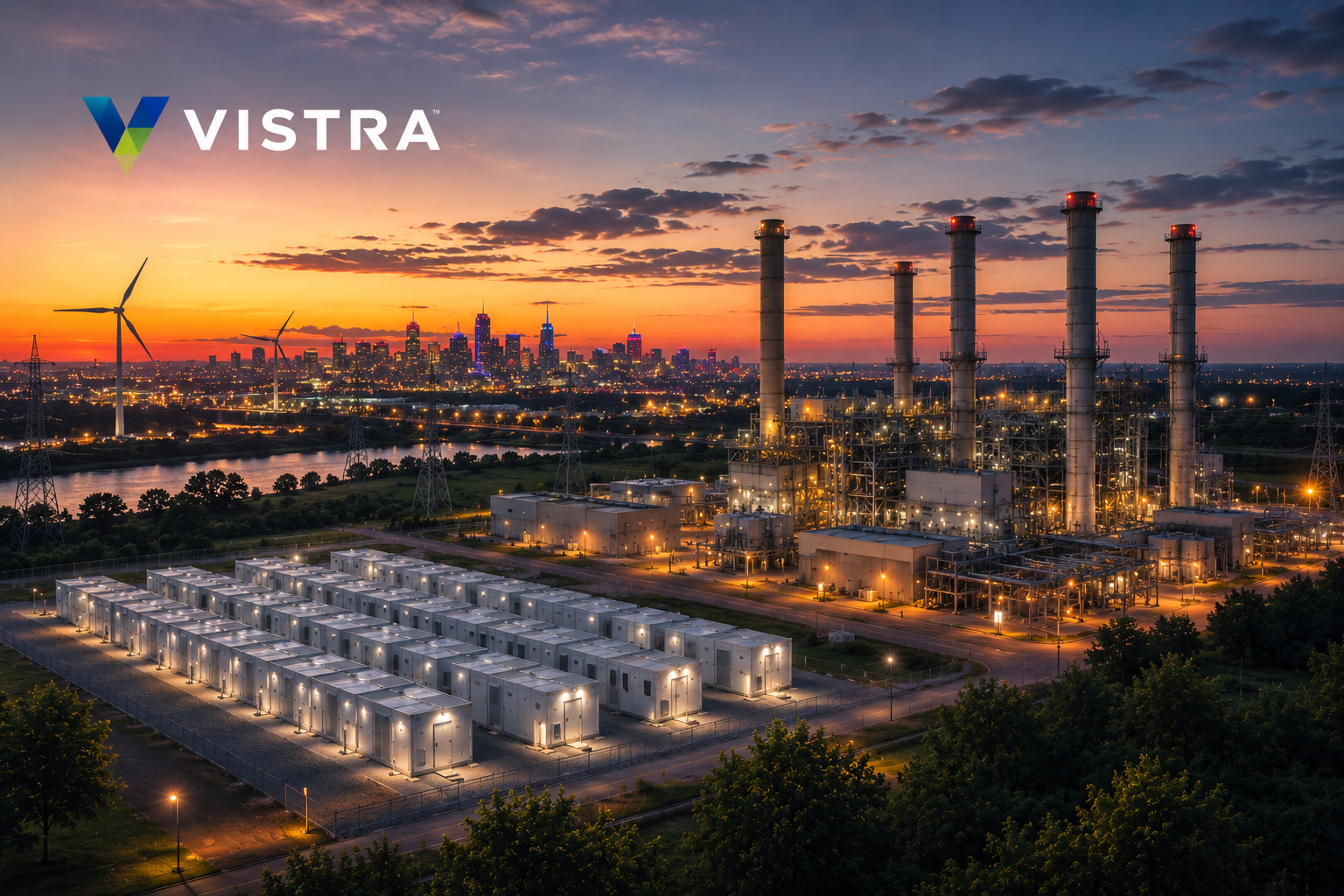
The future of artificial intelligence may depend not only on how much electricity is available, but on how effectively energy systems can adapt when demand changes unexpectedly.
